

How do residential proxies differ from datacenter proxies?
By directing your connection via an actual home address rather than a data center, a residential proxy server serves as a helpful intermediary between your device and the rest of the internet. These proxies assume the identity of regular homes rather than disclosing your actual browsing location, making your online presence seem as natural as a neighbor checking their email. Therefore, a residential proxy server provides a friendly bridge across the digital divide, whether you're an inquisitive traveler looking to see local deals from a distance, an astute marketer in need of precise intelligence, or a developer retrieving public data without exerting much effort.
The next time a website flatly rejects you, keep in mind that perhaps all you needed to do was look a little more like your neighbor. And a residential proxy assists you in doing just that. It opens doors that might otherwise remain closed, keeps your online presence natural, and lessens the headaches caused by strict websites. The majority of services provide desktop programs, B12 browser extensions, or straightforward API endpoints.
Very little technical expertise is needed to set everything up. You can test a website's rendering for that audience, route your connection through a particular postal code, and switch to a different location with equal ease in a matter of minutes. They avoid shady tactics like malware distribution or unauthorized router access. To put it simply, a residential proxy server is your passport to the public internet, but it doesn't bear your name.
It's a tool that honors your time, where you are, and your right to view the internet as it is - diverse, dynamic, and full of regional quirks. The next time you encounter an Enter a residential IP address and browse anywhere you choose as if you were at home. It gives you both anonymity and authenticity by stealing the identities of a thousand houses. When you establish a connection to the network of a proxy provider and specify a location, the service directs your traffic via a device located there.
After passing through their router and obtaining their local IP, your data proceeds to its intended location. Depending on what you choose, the website you visit sees a regular user from Auckland, Amsterdam, or Austin. Usually in exchange for benefits or payment, the homeowner has consented to share their bandwidth via an app or piece of software. On the surface, the mechanics are still surprisingly straightforward.
Everyone benefits from this change. In exchange for sharing a portion of their bandwidth, hosts are fairly compensated, and users enjoy cleaner, more reliable connections.%article_bottom%
Product Support, Repair Parts & Technical Specification

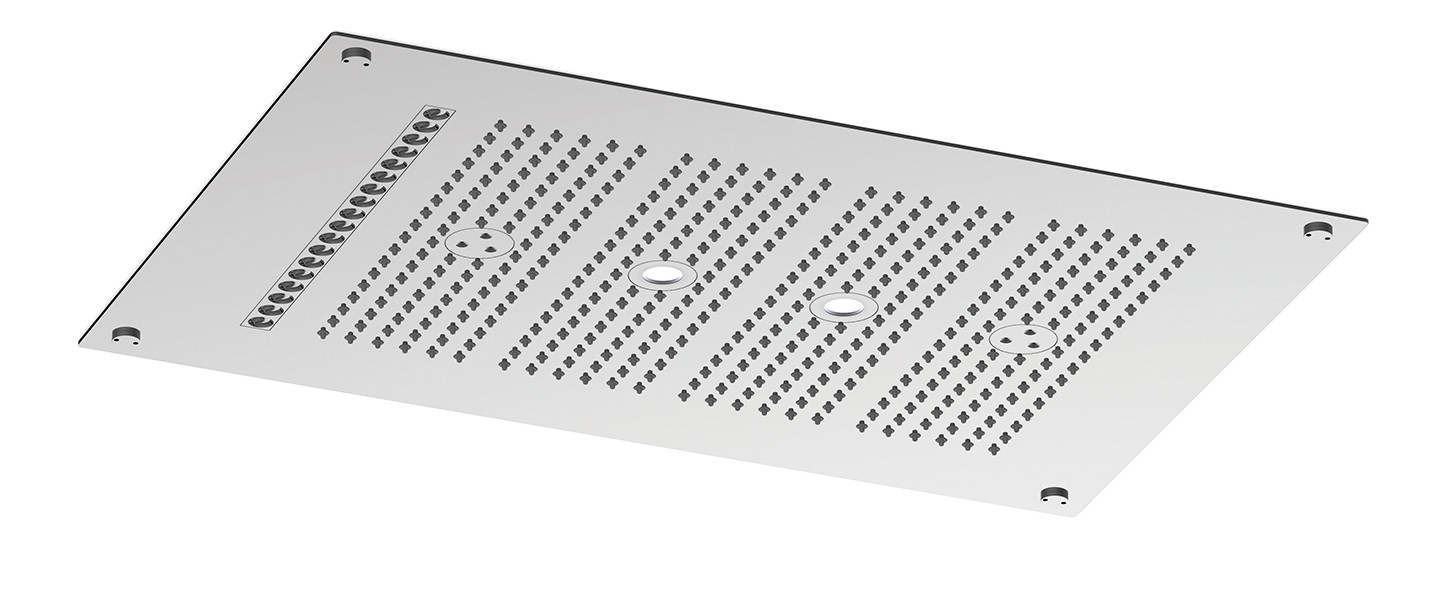
Aquabrass
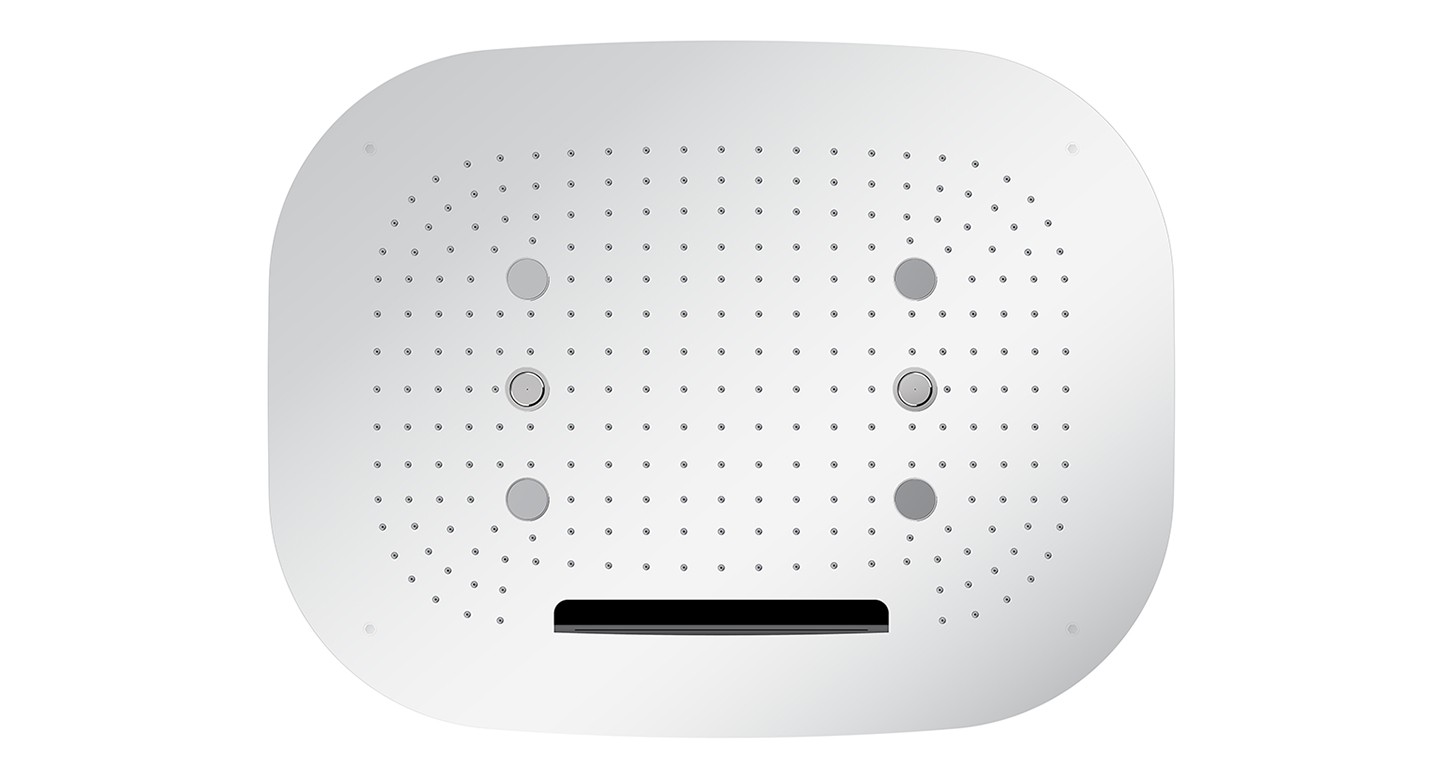
Aquabrass

Aquabrass
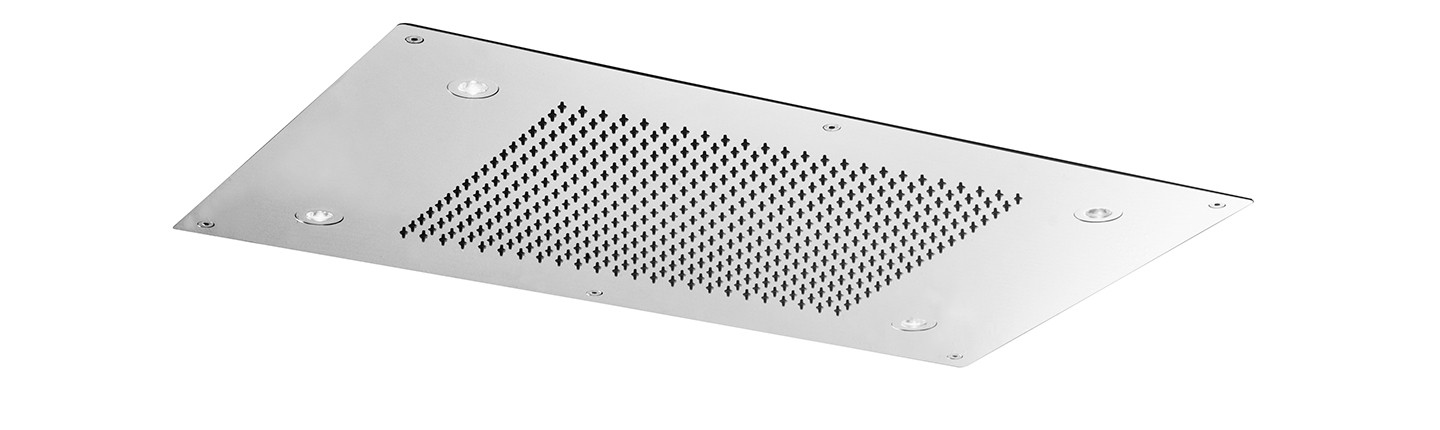
Aquabrass
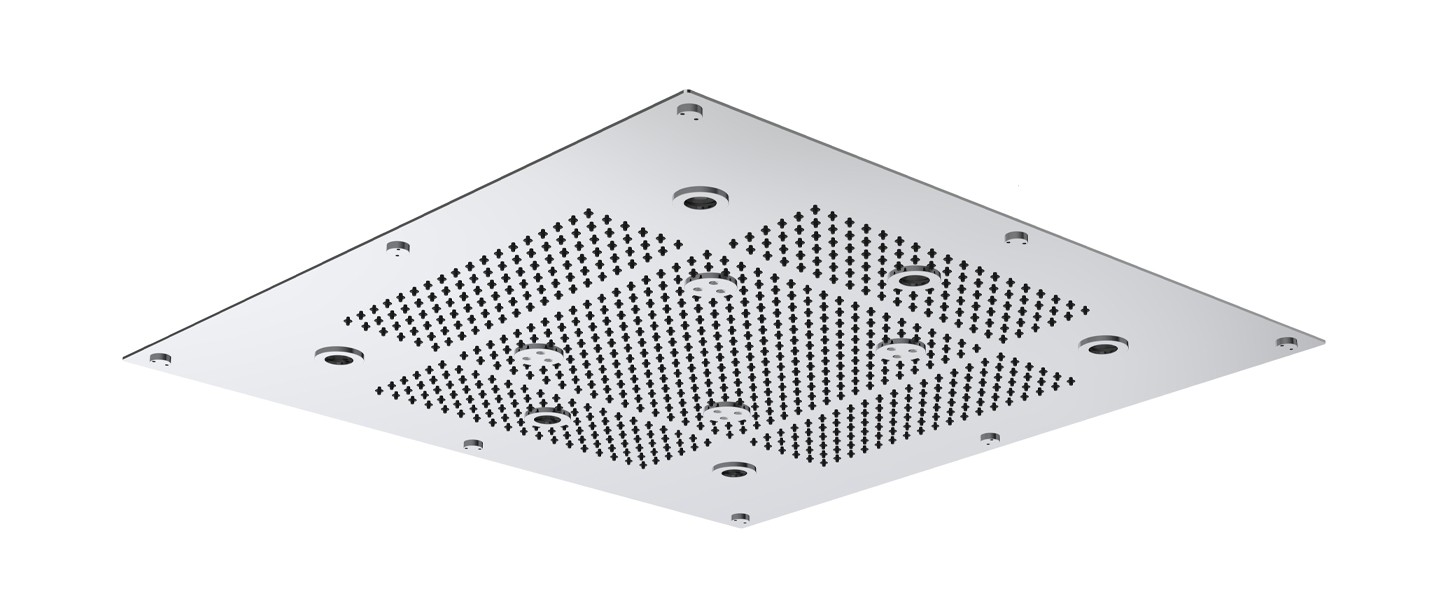
Aquabrass
Aquabrass
Aquabrass

Aquabrass

Aquabrass

Aquabrass